A young willow can put on surprising growth in its first year, but that vigour depends on one quiet job: keeping the root zone evenly moist without turning the soil into a swamp. The first growing season is not about following a rigid calendar. Weather, soil, mulch, wind, and the size of the tree you planted all change the answer. What stays constant is the habit of checking before you water, watering deeply when you do, and noticing the tree’s signals before they become a crisis.
Here is a practical checklist for the months from planting through autumn. Use it as a framework, not a rulebook, and adjust it to what your soil and your willow are telling you.
Start with the planting itself. A willow should sit at the same depth it grew in the nursery, with the root flare—the point where the trunk widens into the roots—visible at or just above soil level. If the trunk disappears into a mound of soil or mulch, water can collect around the bark and cause rot. Fix that before you worry about frequency.
Build a shallow watering basin around the root ball, especially on sloping ground. A basin the width of the canopy, with a slight lip, helps water soak in rather than run off. Cover the soil inside it with two to three inches of organic mulch, but pull the mulch back a few inches from the trunk. Mulch keeps moisture steady, cools the surface, and reduces competition from grass.
The most useful tool is your hand. Push a finger into the soil at the edge of the root ball. If it is dry two inches down, water. If it is cool and moist, wait. For a deeper check, push a long screwdriver into the soil; it should slide in with moderate pressure. Hard resistance usually means the soil is dry below the surface, even if the top looks dark.
Also check how the site drains. Willows tolerate wet soil better than many trees, but they do not thrive in a sealed bowl. If water stands in the basin for more than a few hours after a soaking, the planting hole may be draining poorly. On heavy clay, a broad, shallow basin and slower watering are usually better than a deep saucer that holds water against the trunk. On sandy soil, water may disappear quickly, so mulch becomes even more important.
In the first month, check the root ball every day or two, not just the surrounding soil. Nursery soil can dry faster than the garden soil around it, and newly planted roots have not yet grown into the surrounding ground. Water slowly, at the base of the tree, until the root ball and the soil around it are thoroughly moist. A quick sprinkle mostly wets the surface and encourages shallow roots.
Use this first-month routine:
Hot, windy weather can dry a young willow quickly, but do not assume every warm day requires water. Check first. A tree that is watered deeply every few days in cool weather may need a different rhythm in a heatwave, and that is exactly why the soil test matters more than the date. In a cool, rainy spring, you may go a week or more between waterings. In a dry, breezy spell, the same tree may need a deep soak every few days.
By the second month, roots are beginning to move into the surrounding soil. Shift your watering outward a little, wetting the root ball and the soil beyond it. The goal is to encourage roots to spread, not to keep them in a tight, constantly wet pocket. Frequency can often stretch out if the soil holds moisture well, but a sandy soil may still need frequent attention.
Watch the weather between waterings. A gentle, soaking rain may be enough to skip a session. A brief shower that wets only the mulch and the top half-inch of soil usually does not count. Check beneath the mulch with your finger or screwdriver. If the soil is dry below the surface, the tree still needs water.
A deep soak leaves the soil moist several inches down and does not puddle for long. A sip wets the surface, evaporates by afternoon, and leaves the deeper roots dry. If water runs off immediately, make a small ring of soil farther out, water in stages, or let the hose trickle more slowly. Avoid watering directly against the trunk; aim for the root zone under the canopy and slightly beyond it.
One useful test is to water slowly for several minutes, wait an hour, then push the screwdriver in again. If it still meets hard, dry soil, repeat the slow soak rather than reaching for a stronger blast from the hose. Deep watering is about patience, not pressure.
Willows grow fast, and fast growth needs water. In high summer, check the soil in the morning. Morning watering gives the tree time to take up moisture before the heat of the day, and it reduces the chance of water sitting around the crown overnight. If you can only water in the evening, that is still better than letting the tree go dry, but keep the trunk and crown as dry as practical.
Wilting at midday is not automatically a call for the hose. On a hot afternoon, leaves may droop and then recover by evening. That is often a heat response. Check the soil first. If the soil is dry, water deeply. If it is still moist, wait and look again in the morning.
Wind can be as drying as sun. A young willow on an exposed slope or near a building may lose water faster than one in a sheltered garden. Pay extra attention after windy days, and keep mulch pulled back from the trunk but spread widely over the root zone. If you are leaving for a week, water deeply before you go and ask someone to check the soil rather than simply run a sprinkler on a timer. A timer cannot tell whether the root ball is already saturated.
As nights cool and growth slows, watering frequency usually drops, but depth still matters. The roots are still establishing, and a dry autumn can undo months of good care. Keep checking the soil until steady rain takes over. A common mistake is to stop watering as soon as the leaves begin to turn; the tree is still using water, and the soil around the root ball may dry faster than the surrounding garden.
In a dry September or October, a deep soak every ten to fourteen days may be enough for a well-mulched willow in average soil. On light, sandy ground, check more often. Before the ground freezes, make sure the root zone is moist but not waterlogged. Mulch can stay in place to buffer winter temperature swings, but keep it clear of the trunk.
Yellowing leaves can mean either too little water or too much, so check the soil before you act. Soggy soil, algae on the surface, fungus gnats, or a sour smell suggest the roots are sitting too wet. Dry, crumbly soil and wilting that is still present in the morning usually point to drought stress. Leaf scorch after a windy day often means the tree could not take up water fast enough, even if the soil was moist at the surface.
Adjust by soil type and exposure. Heavy clay needs slower, less frequent soaking so water can move sideways instead of filling the planting hole. Sandy soil may need more frequent checks and a thicker mulch layer. A willow planted near a hot driveway or reflective wall may dry faster than one in open lawn.
When in doubt, check the soil two inches down and water deeply only if it is dry. A calm soil test is more reliable than a worried glance at the leaves.
Keep a simple record for the first season: the date you watered, how long you let the hose run, and what the soil felt like before and after. That small habit turns guesswork into a pattern you can trust, and it helps you give the willow exactly what its first growing season needs.
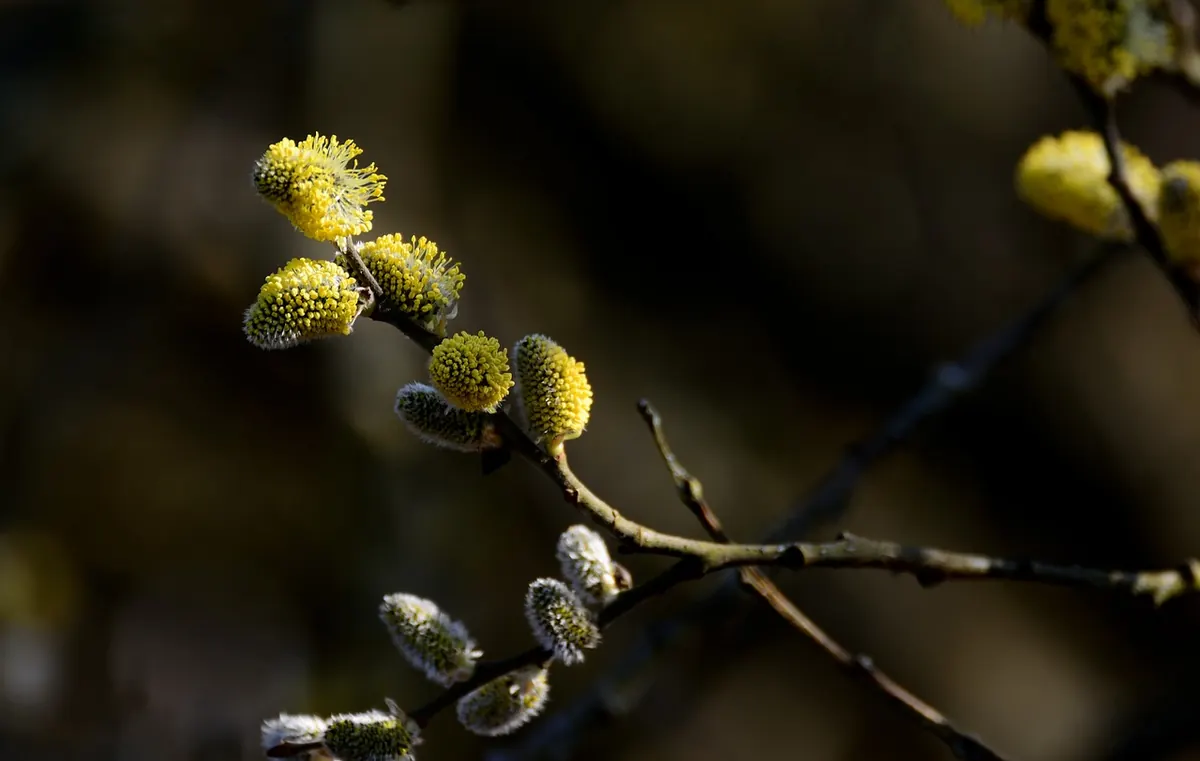
Photo: Icsilviu / Pixabay